
Resources
Engineering selection guides for comparing graphite materials, coatings, tolerances, and sourcing trade-offs.
Use this category to review practical procurement and engineering patterns. Each article is written to reduce ambiguity in RFQ, validation, and production release decisions.
Instead of generic theory, these posts focus on what buyers can send, measure, and approve in supplier communication.
In practical sourcing programs, this category is most useful when its article checklists are copied into internal review templates and then reused in supplier calls, sample sign-off notes, and PO release approvals.
These articles are sorted by publish date and are intended to be used as reusable inputs for your engineering and procurement handoffs.
Need project-specific guidance? Start from Contact / RFQ and include the article links your team is referencing.

Design and source graphite dies and punches for SPS and FAST: calculate hoop stress limits, punch clearances, graphite grade selection, and RFQ drawing tolerances.
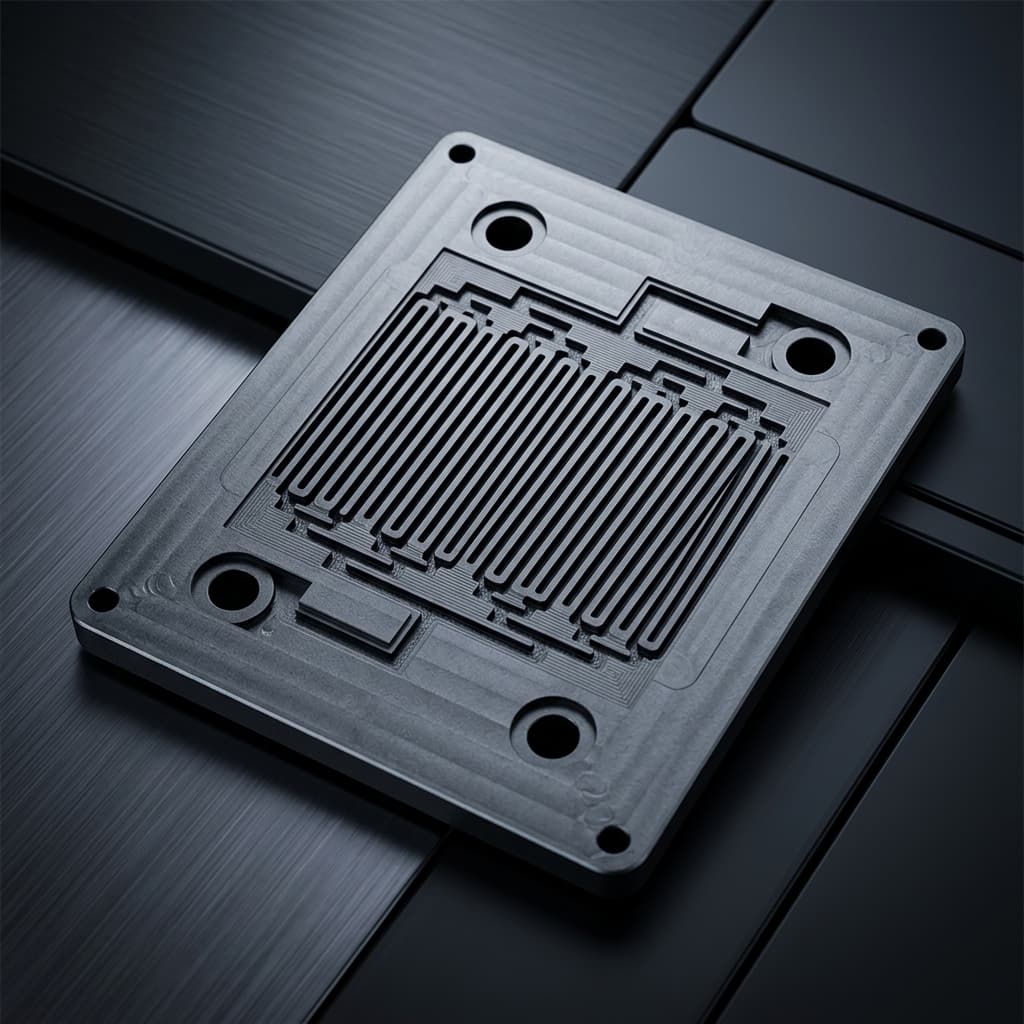
Specify graphite bipolar plates for PEM fuel cells: compare CNC routes, resin sealing, leak tests and clamping tolerances. Prepare drawings for a DFM review.
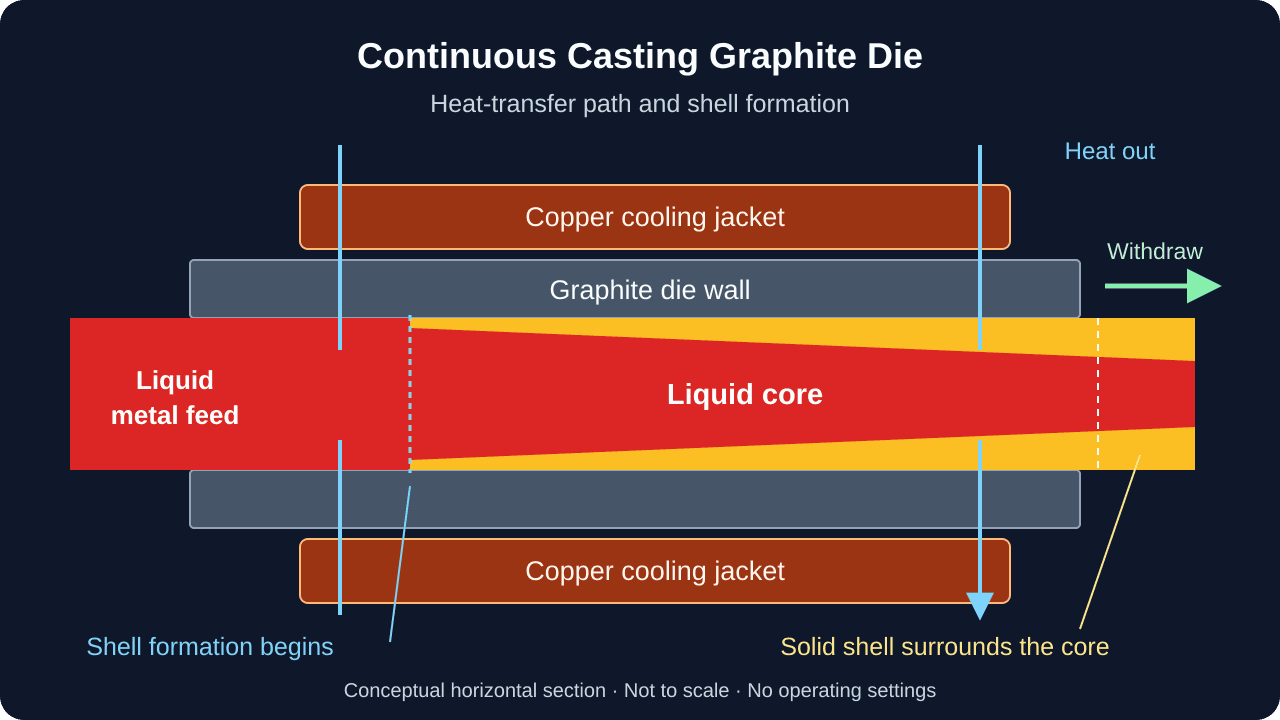
Compare continuous casting graphite dies for copper, brass and bronze. Check grain data, bore tolerances, freeze-line risks and wear-life trials for your RFQ.
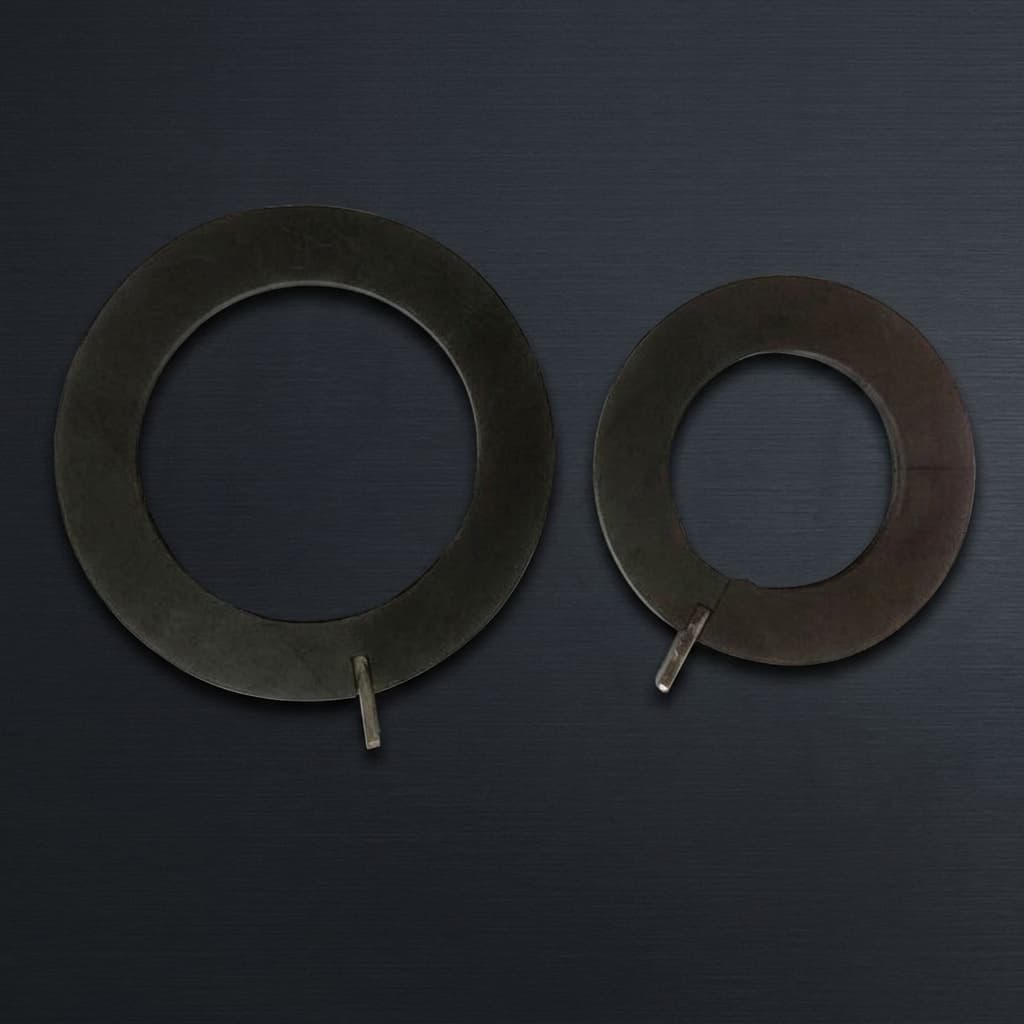
Compare resin vs antimony impregnated graphite for seals and pump bearings. Check grade data, blistering risks and service limits, then prepare a complete RFQ.
Compare C/C composites vs isostatic graphite for vacuum furnace fixtures: thermal mass, TCO, risks, checklist, and RFQ guidance from Custom Graphite Parts.

Specify graphite hot zones for SiC PVT crystal growth: purity limits, GDMS evidence, machining risks, supplier questions, and RFQ steps for global buyers.